
25% are too sick to leave their rooms – don’t let them stay invisible this Severe ME Day.
We told the story for World ME Day 2026 of:
- Dr Hana Ngata and her clinician learning journey with patients like Aroha, who has moderate Myalgic Encephalomyelitis (ME), also known as chronic fatigue syndrome (CFS).
As we acknowledge Severe ME Day, this 8th August 2026, we introduce:
- Wiremu — a patient who repeatedly pushed through, was dismissed, and deteriorated into severe ME.
Wiremu’s Story
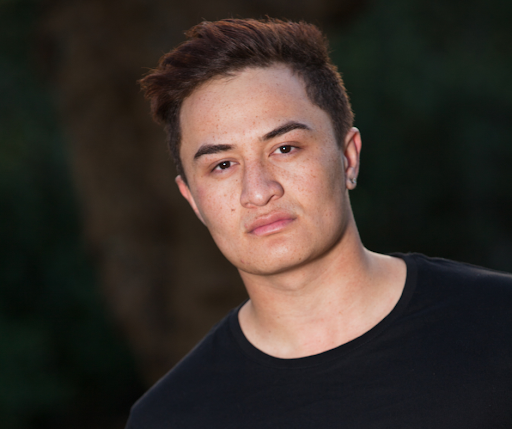
Wiremu* is a 28‑year‑old Māori man from Waikato. Before he got sick, he worked full‑time, played league, and helped care for his kuia/nan. After a viral illness in 2022, he developed crushing fatigue, dizziness, gut issues, and pain. He kept pushing through — because that’s what he was taught to do.His GP at the time reassured him it was “just post‑viral fatigue” and encouraged him to stay active. Wiremu tried. Every time he pushed, he crashed harder. He became hypersensitive to light and sound. His joints ached. He couldn’t think straight. He could no longer tolerate standing for more than a minute. His gut reacted every time he ate.
By 2024, Wiremu was mostly confined to his room. By 2025, he was bedbound.
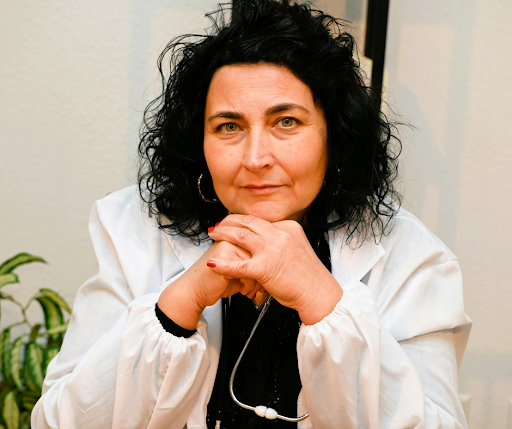
When Dr Hana Ngata meets him in 2026, via a telehealth appointment set up by his partner, who speaks on his behalf, she recognises the red flags immediately — the same pattern Dr Ngata saw in Aroha, but far more advanced. She realises Wiremu is one of the 25% of people with ME who are invisible to the health system because they are too sick to leave their homes.
She arranges:
- a home visit
- a safe assessment using the Red Flags Guide
- urgent NASC referral
- MDT support (pain, GI, autonomic, mobility)
- protection from harmful activity‑based approaches
Wiremu finally receives care — but only after years of deterioration that could have been prevented.
This is why Severe ME Day matters. This is why early recognition matters. This is why #TakeMESeriously matters.
*(Dr Hana Ngata, Aroha, and Wiremu are fictional, representative characters. They reflect the real experiences of doctors and patients across Aotearoa and are used to illustrate what early recognition and intervention for ME can — and should — look like in practice and the consequences and harm caused when this does not occur).
Want to know more about Severe ME in 60-seconds? Download the ANZMES GP Guide here:
When journalist Paddy Gower met Elvira Edmonds, he showed the country what most never see: the people who are too sick to leave their rooms. These are the 25% — the invisible cohort living with Severe ME. Early recognition prevents deterioration.
Safe care prevents harm. Learn more about the lived reality of severe ME in Zoe Madden-Smith’s Re:News documentary from 2025.
CME‑Accredited Training for Your Clinic
Equip your team to recognise ME early — and prevent severe deterioration.
If Wiremu’s story feels familiar, your clinic is not alone. Myalgic Encephalomyelitis – ME (also known as chronic fatigue syndrome) is now one of the most common post‑viral conditions presenting in primary care, yet most clinicians have had limited training.
The Know M.E. Clinical Education Programme (CEP) is CME/CPD‑accredited and designed specifically for:
- General Practitioners
- Nurse Practitioners
- Practice Nurses
- Health Improvement Practitioners (HIPs)
- Practice Managers
- Allied Health Professionals
Our training covers:
- early recognition and red‑flag identification
- safe diagnosis using the IOM 2015 criteria
- managing PEM and preventing deterioration
- MDT care for moderate, severe, and very severe ME
- autonomic dysfunction, hypermobility, GI instability, pain
- home‑based care considerations for the invisible 25%
Sessions are practical, case‑based, and tailored for busy primary‑care teams.
Bring Know M.E. to your clinic.
CME/CPD accredited. Evidence‑based. Designed for real‑world practice.
Can’t wait? Start learning today.
Earn CME with the Know M.E. Micro‑Learning Series
Get immediate access to eight short, high‑impact modules delivered straight to your inbox. Each module includes:
- a concise clinical explainer
- a video podcast with experts
- a real‑world case study
- a short quiz
Perfect for clinicians who want to start learning now — at their own pace.
Subscribe and start earning CME today.
Severe ME Day 2025 – 8 August 2025

Thousands of New Zealanders are missing from their own lives, hidden by the devastating reality of Severe Myalgic Encephalomyelitis. An estimated 25% of the 65,000 Kiwis with ME/CFS are housebound or bedridden, many requiring 24/7 care just to survive.
This Severe ME Day, we demand more than awareness. We demand urgent, systemic change for those who are too ill to speak for themselves.
– – – – – – – –
The Unseen Reality of Severe ME:
Severe Myalgic Encephalomyelitis is not “just being tired.” It is a catastrophic, multi-systemic illness that can rob people of everything: their careers, relationships, independence, and the most basic human dignities.
Life shrinks to within four walls. For many, it means being trapped in a darkened room, confined to a bed, unable to tolerate light, sound, or touch. It can mean a body so fragile that it can no longer tolerate solid food. It’s a daily battle with profound weakness, post-exertional malaise (PEM), debilitating pain, and cognitive dysfunction. It is a fight for survival against a body that can no longer sustain itself without constant, dedicated support.
– – – – – – – –
Honouring the Unseen
At the heart of our campaign is the need to remember the human cost of this illness. Our InMEmory Tribute is a dedicated space to honour the individuals we have lost to ME/CFS and to hold in our thoughts those currently living in profound isolation. Their stories are the reason we fight.
We also stand InSolidarity, honouring those currently living with this debilitating, isolating, and life threatening condition.
– – – – – – – –
A Call for Urgent Change
This is a solvable crisis. With targeted policies and educated healthcare, we can prevent the progression to severe illness and provide compassionate care for those already affected. We call on our nation’s leaders and health professionals to act now.
A Message for Our Policymakers
The systemic neglect of people with ME/CFS carries an immense human and economic cost. Inaction is a continued failure of our duty of care to a vulnerable population. We urge you to champion the following changes:
- Fund Dedicated Care: Establish funding for dedicated ME/CFS respite and long-term care facilities with properly trained staff.
- Mandate Education: Implement mandated ME/CFS education for all healthcare professionals to ensure safe, evidence-based practice.
- Update Disability Policy: Formally include ME/CFS in all national disability support policies and frameworks, as recommended by the UN.
- Increase Research Funding: Commit to significant, ongoing funding for biomedical research to find effective treatments and a cure.
By partnering with ANZMES—the National Advisory on ME/CFS—our government can help establish a world-leading Centre of Excellence that leverages over 45 years of expertise to improve outcomes and ensure the diverse needs of those living with this debilitating condition are fully met.
A Call to Our Healthcare Professionals
Your role is critical in preventing harm and improving patient outcomes. We urge you to commit to providing ME-aware, evidence-based care.
- Recognise Post-Exertional Malaise (PEM): Understand that PEM is the cardinal symptom of ME/CFS. Any activity—physical, cognitive, or sensory—can trigger a significant relapse.
- Cease Harmful Advice: Graded Exercise Therapy (GET) is contraindicated and has been proven to cause significant harm and deterioration in patients.
- Prioritise ME-Aware Management: Learn and implement Pacing and Post-Exertional Symptom Exacerbation (PESE) prevention techniques as the foundation of safe care.
- Believe Your Patients: Create low-stimulus environments and be aware of common comorbidities like POTS (postural orthostatic tachycardia syndrome) and MCAS (mast cell activation syndrome) or histamine intolerance.
ANZMES—the National Advisory on ME/CFS—provides evidence-based best practice following international guidelines and standards for appropriate care and management. The Know M.E. Series is CME-accredited by the Royal NZ College of GPs.
Call to Action for The Public: How You Can Help
You can be a powerful advocate for the #MillionsMissing.
- Share This Page: Share this information with your network on social media.
- Amplify Our Voice: Follow ANZMES on Facebook and LinkedIn and share our posts throughout the campaign using the hashtag #SevereMEDay.
- Start a Conversation: Talk to your friends, family, and local MP about the urgent need for better care and recognition for people with ME/CFS.
Use the Template to write a letter to your local MP. - Provide evidence: Let your GP and health team know about ANZMES CME-accredited Know M.E. Series and consider sending this editable letter to your healthcare team with the resource list attached.
Resources
- The Critical Need for Home Collection Services – This document provides essential clinical context regarding patients with severe to very severe Myalgic Encephalomyelitis/Chronic Fatigue Syndrome (ME/CFS) to support requests for home-based phlebotomy and pathology collection services.
- Home Care Plan (Caregivers) – Caring for someone you love who is living with severe or very severe ME/CFS can feel at once deeply instinctive and utterly overwhelming. This is not the kind of caregiving most people are prepared for. It asks more than practical tasks. It asks for patience without visible progress, presence in silence, and faith in the value of small mercies. This guide was created for loved ones who are stepping into this role, not as professionals, but as whānau. You may be a parent, sibling, partner, or friend – someone who never imagined life would take this turn, yet here you are, showing up with courage, care, and a willingness to learn. You don’t need to have all the answers. What matters most is that your loved one knows they are not alone and that their needs are understood.
- Care Plan & Emergency Protocols (Hospitals) – A care plan for hospital patients with severe to very severe ME/CFS (Myalgic Encephalomyelitis/Chronic Fatigue Syndrome) or long COVID involves a multidisciplinary approach to address the complex and debilitating symptoms these patients experience.
- The Critical Need for Domiciliary Care by Health Professionals for Patients with Severe – Very Severe Myalgic Encephalomyelitis/Chronic Fatigue Syndrome (ME/CFS) – This document provides essential clinical context regarding patients with severe to very severe Myalgic Encephalomyelitis/Chronic Fatigue Syndrome (ME/CFS) to support requests for Domiciliary Services from Health Professionals.
- GP Care Plan for Severe – Very Severe ME/CFS and Long COVID – GPs are crucial in navigating care for people with ME/CFS, who often face a healthcare system unfamiliar with their condition. A patient-centered approach is essential to prevent harm and improve quality of life. This Care Plan provides vital information for GPs in navigating the management of this complex condition
- Secondary Care Resource – A Guide to management during patient hospital stays for Severe ME/CFS and Long COVID in Secondary Care
- Additional Resources