
25% are too sick to leave their rooms – don’t let them stay invisible this Severe ME Day.
We told the story for World ME Day 2026 of:
- Dr Hana Ngata* and her clinician learning journey with patients like Aroha*, who has moderate Myalgic Encephalomyelitis (ME), also known as chronic fatigue syndrome (CFS).
As we acknowledge Severe ME Day, this 8th August 2026, we introduce:
- Wiremu* — a patient who repeatedly pushed through, was dismissed, and deteriorated into severe ME.
Wiremu’s* Story
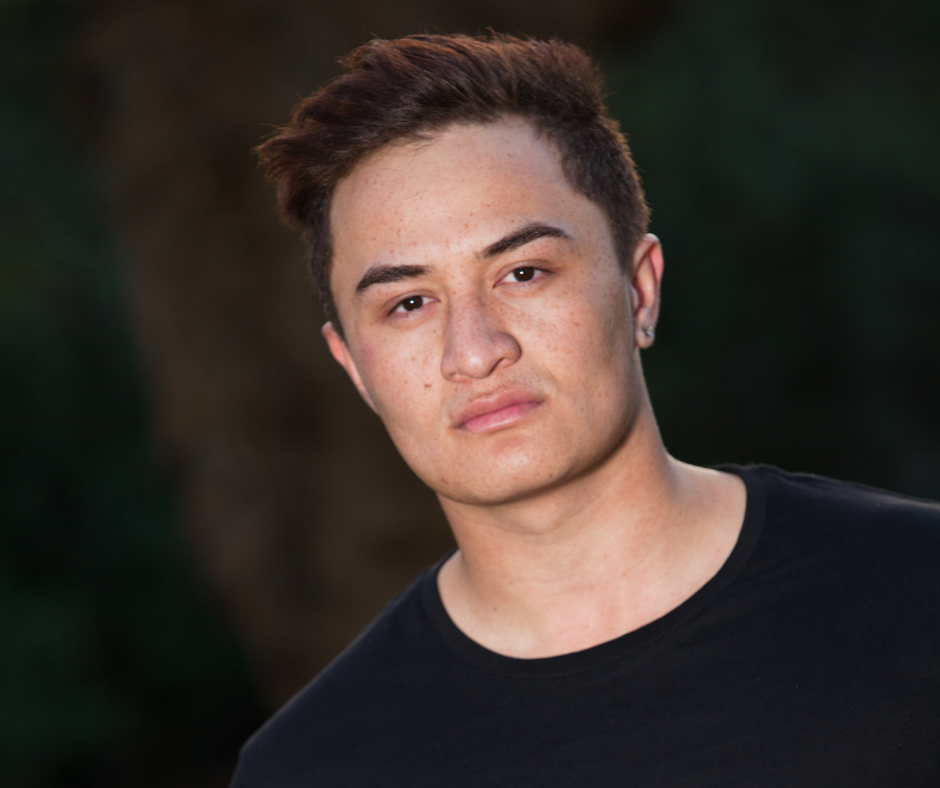
Wiremu* is a 28‑year‑old Māori man from Waikato. Before he got sick, he worked full‑time, played league, and helped care for his kuia/nan. After a viral illness in 2022, he developed crushing fatigue, dizziness, gut issues, and pain. He kept pushing through — because that’s what he was taught to do. His GP at the time reassured him it was “just post‑viral fatigue” and encouraged him to stay active.
Wiremu tried. Every time he pushed, he crashed harder. He became hypersensitive to light and sound. His joints ached. He couldn’t think straight. He could no longer tolerate standing for more than a minute. His gut reacted every time he ate.
By 2024, Wiremu was mostly confined to his room. By 2025, he was bedbound.
When Dr Hana Ngata* meets him in 2026, via a telehealth appointment set up by his partner, who speaks on his behalf, she recognises the red flags immediately — the same pattern Dr Ngata saw in Aroha*, but far more advanced. She realises Wiremu is one of the 25% of people with ME who are invisible to the health system because they are too sick to leave their homes.
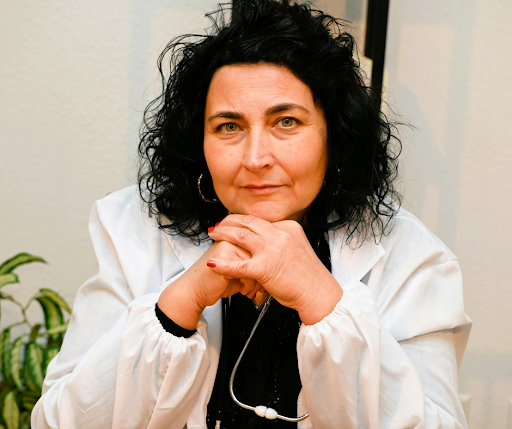
She arranges:
- a home visit
- a safe assessment using the Red Flags Guide
- urgent NASC referral
- MDT support (pain, GI, autonomic, mobility)
- protection from harmful activity‑based approaches
Wiremu finally receives care — but only after years of deterioration that could have been prevented.
This is why Severe ME Day matters. This is why early recognition matters. This is why #TakeMESeriously matters.
*(Dr Hana Ngata, Aroha, and Wiremu are fictional, representative characters. They reflect the real experiences of doctors and patients across Aotearoa and are used to illustrate what early recognition and intervention for ME can — and should — look like in practice and the consequences and harm caused when this does not occur).
Want to know more about Severe ME in 60-seconds? Download the ANZMES GP Guide here:
When journalist Paddy Gower met Elvira Edmonds, he showed the country what most never see: the people who are too sick to leave their rooms. These are the 25% — the invisible cohort living with Severe ME. Early recognition prevents deterioration.
Safe care prevents harm. Learn more about the lived reality of severe ME in Zoe Madden-Smith’s Re:News documentary from 2025.
CME‑Accredited Training for Your Clinic
Equip your team to recognise ME early — and prevent severe deterioration.
If Wiremu’s story feels familiar, your clinic is not alone. Myalgic Encephalomyelitis – ME (also known as chronic fatigue syndrome) is now one of the most common post‑viral conditions presenting in primary care, yet most clinicians have had limited training.
The Know M.E. Clinical Education Programme (CEP) is CME/CPD‑accredited and designed specifically for:
- General Practitioners
- Nurse Practitioners
- Practice Nurses
- Health Improvement Practitioners (HIPs)
- Practice Managers
- Allied Health Professionals
Our training covers:
- early recognition and red‑flag identification
- safe diagnosis using the IOM 2015 criteria
- managing PEM and preventing deterioration
- MDT care for moderate, severe, and very severe ME
- autonomic dysfunction, hypermobility, GI instability, pain
- home‑based care considerations for the invisible 25%
Sessions are practical, case‑based, and tailored for busy primary‑care teams.
Bring Know M.E. to your clinic.
CME/CPD accredited. Evidence‑based. Designed for real‑world practice.
fdifdf
Can’t wait? Start learning today.
Earn CME with the Know M.E. Micro‑Learning Series
Get immediate access to eight short, high‑impact modules delivered straight to your inbox. Each module includes:
- a concise clinical explainer
- a video podcast with experts
- a real‑world case study
- a short quiz
Perfect for clinicians who want to start learning now — at their own pace.
