


The Associated New Zealand Myalgic Encephalomyelitis Society (ANZMES) is marking World ME Day 2026 with a national call to action: Take ME Seriously. This year’s campaign focuses on improving early recognition of Myalgic Encephalomyelitis/Chronic Fatigue Syndrome (ME/CFS) in primary care through a new, evidence‑based Key Red Flags for GPs resource.
Thousands of New Zealanders live with ME/CFS — a serious, multisystem neuroimmune disease that profoundly affects mobility, cognition, autonomic function, and quality of life. Yet many remain undiagnosed or misdiagnosed for years, leading to preventable deterioration.
ANZMES President Fiona Charlton says the new clinical tool is designed to meet GPs where they are: “Most people with ME/CFS present first — and often only — in primary care. Early recognition is the difference between stabilisation and long‑term disability. Our Key Red Flags guide gives GPs the practical, real‑world indicators they need to identify ME/CFS early, recognise deterioration, and prevent iatrogenic harm.”

A practical, GP‑friendly tool for early detection
The Key Red Flags for GPs document distils the latest international evidence into a concise, one‑page clinical guide. It highlights the most important “dashboard lights” that signal ME/CFS in mild to moderate presentations — the group most commonly seen in general practice.
The resource focuses on:
- Post‑Exertional Malaise (PEM) — the cardinal symptom of ME/CFS and the strongest diagnostic indicator.
- Boom–bust cycling and shrinking functional capacity.
- Orthostatic intolerance (OI) and POTS‑like symptoms, often mistaken for anxiety.
- Talk Test failure — a simple in‑consult indicator of exertional intolerance.
- Cognitive overload and sensory hypersensitivity, frequently subtle but clinically significant.
- Early functional decline, which is preventable with timely pacing and stabilisation.
The guide also outlines immediate GP actions, including pacing education, orthostatic vitals, low‑stimulus consultations, and avoiding harmful recommendations such as graded exercise or “pushing through.”
A national call for safer, evidence‑based care
ANZMES’ 2026 campaign builds on its ongoing advocacy for improved recognition, updated clinical pathways, and alignment with global best practice. Previous ANZMES statements have highlighted the consequences of outdated treatment protocols, under‑recognition, and lack of specialist services in New Zealand.
“New Zealanders with ME/CFS deserve care that reflects the science,” Charlton says. “This resource is a step toward ensuring every GP in Aotearoa can recognise ME/CFS early, respond safely, and prevent avoidable decline.”
About World ME Day
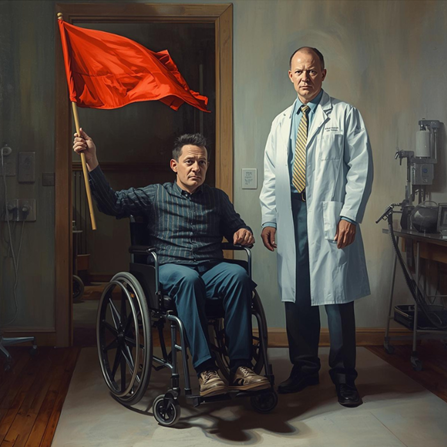
World ME Day is a global initiative held annually on 12 May to raise awareness of ME/CFS and promote evidence‑based understanding of the disease. This year’s theme, Take ME Seriously, calls on clinicians, policymakers, and the public to recognise ME/CFS as the serious biomedical condition it is.
Access the Key Red Flags resource
The Key Red Flags for GPs document and full World ME Day 2026 campaign materials are available at:
anzmes.org.nz/world-me-day/take-me-seriously-2026