PRESS RELEASE – National Collective of ME/CFS Organisations Calls for Necessary Inclusion of ME/CFS and Long COVID in New Zealand’s Mental Health and Wellbeing Strategy

FOR IMMEDIATE RELEASE – 15 May 2026

The Associated New Zealand Myalgic Encephalomyelitis Society (ANZMES)  is calling on the Ministry of Health to address a critical gap in the draft Mental Health and Wellbeing Strategy. ANZMES made this submission on behalf of a national collective of ME/CFS organisations which included Complex Chronic Illness Support, Long Covid Support Aotearoa, M.E. Awareness NZ, ME/CFS Canterbury, MEISS Otago and Southland, ME Support NZ, ME Respite, and Tū Pakari (Stand Together). 

In a comprehensive submission, ANZMES revealed that between 150,000 and 200,000 New Zealanders – a population larger than the city of Hamilton – are now living with ME/CFS or post-viral conditions. Despite this scale, the current draft Strategy fails to mention these conditions, leaving one of the country’s largest chronic illness groups without a safe clinical pathway for mental wellbeing.

ANZMES President Fiona Charlton warns that the mental distress, such as anxiety and/or depression, experienced by this community is often a direct result of systemic failure, rather than primary psychiatric illness in origin.

“Mental distress in our community is a rational response to unmanaged physical symptoms, loss of employment, and the trauma of being disbelieved by the very systems designed to help” says Fiona Charlton. “When patients are met with ‘medical gaslighting’ or prescribed harmful treatments,  the resulting trauma is healthcare-induced.”

Key Findings Highlighted in the Submission:

  • A Growing Population: Ministry of Health data suggests 185,000 people currently live with Long COVID.  ANZMES estimates 30-35% of these individuals will meet the diagnostic criteria for ME/CFS.
  • Harmful Interventions: Many New Zealanders are still being prescribed outdated treatments that worsen their condition, contrary to international guidelines (NICE 2021; CDC 2021).
  • Access Barriers: For the 25% of patients who are housebound or bedbound, the mental health system is effectively non-existent. Current models require “active participation” that physically exceeds the energy limits of those with Post-Exertional Malaise (PEM).
  • Inequity for Māori: Māori face higher disability burdens and greater barriers to diagnosis, leading to significant diagnostic overshadowing and lack of culturally grounded care.

ANZMES is calling on the Ministry of Health to establish a technical advisory group to co-design implementation modules for the 10-year Strategy. Key recommendations include:

  1. Mandating safe-care guidelines that prohibit harmful interventions like GET.
  2. Developing workforce training on PEM and sensory-sensitive care using existing ANZMES-accredited clinical education.
  3. Ensuring physical accessibility through telehealth, bedside care and low sensory clinical environments for the severely affected.
  4. Recognising healthcare-induced trauma within the Strategy’s trauma-informed care framework.

“To achieve the Strategy’s goals of ‘Access and Choice,’ the Ministry must acknowledge that for a bedbound patient, ‘community care’ must mean bedside care,” says Fiona Charlton. “We cannot allow 200,000 New Zealanders to remain invisible in a strategy meant to ensure the wellbeing of all.”

New ANZMES Long COVID Patient Information Pack Now Available

ANZMES is pleased to announce the release of our comprehensive Post‑COVID‑19 Condition (Long COVID) Patient Information Pack, now available digitally through our online shop. This evidence‑based, patient‑centred resource has been created to support people who are newly diagnosed, awaiting diagnosis, or struggling to understand the complex and often confusing landscape of Long COVID.

Drawing on the latest international research and clinical consensus, the pack explains Long COVID as a multi‑system, post‑viral condition with strong overlaps with ME/CFS — including shared biological features, symptom patterns, and the central importance of pacing and rest‑based management. It is designed to demystify the condition and empower patients with clear, practical guidance they can use immediately.

What’s Inside the Pack

🧭 A clear explanation of Long COVID
Including how it is defined by the WHO and Health NZ, why symptoms persist, and how it relates to ME/CFS and other post‑viral syndromes.

🧬 The science behind the illness
An accessible overview of current biomedical findings, including immune dysregulation, mitochondrial dysfunction, autonomic instability, and why Long COVID is not simply deconditioning.

🩺 Diagnosis: what to expect
A step‑by‑step guide to the diagnostic process, symptom clusters, and the importance of ruling out other conditions. Includes practical symptom‑tracking tools and questions to take to appointments.

🌪️ Understanding the “Septad” of common coexisting conditions
A detailed explanation of the seven frequently overlapping conditions seen in Long COVID and ME/CFS, and why managing them holistically is essential.

Pacing and energy management
A full introduction to pacing, baseline setting, and avoiding Post‑Exertional Symptom Exacerbation (PESE/PEM), with guidance on cognitive, emotional, and physical exertion.

🌬️ Breathing and respiratory support
Practical techniques such as the Bradcliff Breathing Method, “Stop, Drop, Flop,” and rectangle breathing to help manage air hunger and dysfunctional breathing patterns.

🧂 Managing dysautonomia and POTS
A breakdown of the new global consensus on autonomic disorders, including the three‑tier management approach, questions for your cardiologist, and non‑pharmacological strategies like compression and volume expansion.

🍎 Nutrition, hydration, sleep, and stress management
Evidence‑informed lifestyle strategies, including low‑histamine options for MCAS, sleep hygiene tips, and approaches to managing sensory sensitivities and stress‑related symptom flares.

🤝 Support networks and further resources
Links to ANZMES education programmes, clinical resources, and regional support groups across Aotearoa.


How to Access the Pack

The Long COVID Patient Information Pack is available now:

  • $2.50 for ANZMES members (digital)
  • $5.00 for non‑members (digital)
  • Printed copies available for the above prices plus the cost of postage and packaging.

This resource has been created to give patients clarity, validation, and practical tools at a time when many feel overwhelmed or unsupported. It also serves as a valuable reference for whānau, carers, and health professionals seeking to better understand this complex condition.


Additional Resources for Primary Care

For clinicians wanting further guidance, ANZMES also offers a free Primary Care Long COVID Resource released in 2023, available at:
https://anzmes.org.nz/anzmes-release-resources-for-primary-care/

And this month, Victoria University of Wellington has released a concise, practical one‑page Long COVID guide for primary health care, offering another helpful tool for busy practitioners.

Press Release – Grant Scholarship Winners 2025

For Immediate release – 14/10/2025

ANZMES, Aotearoa’s National Advisory on Myalgic Encephalomyelitis/Chronic Fatigue Syndrome (ME/CFS), is proud to announce the two recipients of our 2025 Grants & Scholarships Programme. Marking the third consecutive year of this vital initiative, the programme continues its dedicated support for groundbreaking research into ME/CFS and the overlapping challenges of Long COVID within New Zealand. 

ANZMES is delighted to confirm that Dr. Natalia Boven of the COMPASS Research Centre at the University of Auckland has been awarded a $25,000 Grant as part of the 2025 funding round. This Grant will contribute towards the costs of her project, titled “Identifying child and adolescent predictors of adult ME/CFS and Long COVID,” which will use linked administrative data to explore the association between childhood health conditions – particularly those linked to dysfunctional mast cell activation (MCAS) – and the risk of developing ME/CFS and Long COVID in early adulthood. The research team at the University of Auckland includes Dr. Anna Brooks, Keith McLeod, Dr. Nick Bowden (a 2023 ANZMES grant recipient), Dr. Lisa Underwood, Dr. Nicola Gillies, and Dr. David Musson. This crucial study is intended to help reduce diagnostic delays, inform risk mitigation strategies, and contribute to understanding underlying pathophysiology.

Natalia Boven, the 2025 Grant recipient, states: “We are excited to have been awarded a research grant from ANZMES to allow us to pursue our research into ME/CFS and Long COVID.” We hope this research will help identify individuals at greater risk of developing ME/CFS and Long COVID, reduce diagnostic delays, and contribute to understanding of underlying pathophysiology. We are really grateful to ANZMES for funding this research.”

ANZMES is also pleased to announce Galina Mandich of the University of Otago as the recipient of a $10,000 research scholarship. The funding will support a 10-week summer research project, providing a $7,000 internship stipend and $3,000 for research materials and expenses. The study is titled: “Development of a genetic susceptibility test for developing Myalgic Encephalomyelitis/Chronic Fatigue Syndrome and Long COVID: Has the large 2025 Decode ME GWAS study provided a key advance?”.  The study, conducted alongside Emeritus Professor Warren Tate and Katie Peppercorn, will analyse blood samples in families where multiple members are impacted by ME/CFS and Long COVID. The aim is to identify common genetic markers or a ‘signature’ shared between them. This signature could be a significant step towards earlier diagnosis, treatment, and improved outcomes for those impacted by these debilitating conditions. 

Galina Mandich, the 2025 Scholarship recipient, states: “It can eventually provide healthcare practitioners with an important tool to support individuals with earlier intervention and care, alongside ongoing education to raise awareness and understanding. It is a privilege to continue learning about ME/CFS/LC, and I am very grateful to ANZMES for this wonderful opportunity. As a future clinician, it is my hope that this experience will provide invaluable knowledge for me to be able to provide clinical guidance and understanding towards patients with ME/CFS/LC and their families.”

Fiona Charlton, President concludes “We are pleased to offer substantial support for researchers dedicated to advancing our understanding of ME/CFS. This is only made possible by the support of our members so we’d like to give a special Thank You to them.” 

A Guide to Navigating Research

Discerning Robust vs. Flawed Science

In today’s age, we’re constantly bombarded with persuasive headlines promoting a flood of health claims, miracle cures, and the latest research. For patients and healthcare professionals alike, it can be challenging to distinguish between robust, meaningful science, and flawed studies, or even information, that can be misleading or even harmful.

A pivotal moment that reshaped the understanding and treatment of ME/CFS to this day, was when two psychiatrists published an influential opinion piece in 1970. This piece centred on the 1955 Royal Free Hospital outbreak, which had initially been classified as a viral epidemic. The psychiatrists, noting that the illness disproportionately affected female nurses rather than male doctors, argued that the outbreak was not a viral event but rather a case of “mass hysteria.” Crucially, a very tactical, tiny footnote was overlooked and revealed that they had no evidence to back this claim. Despite this, their unsubstantiated opinion initiated a psychological narrative for ME/CFS, fundamentally altering its course. This marked a significant and detrimental shift from the World Health Organisation’s previous classification of ME as a neurological disease, paving the way for flawed theories like “deconditioning” and “illness behavior.” The impact of this single piece of writing, which was NOT even research, was profound, setting the stage for years of misunderstanding and inadequate care for the ME/CFS community. 

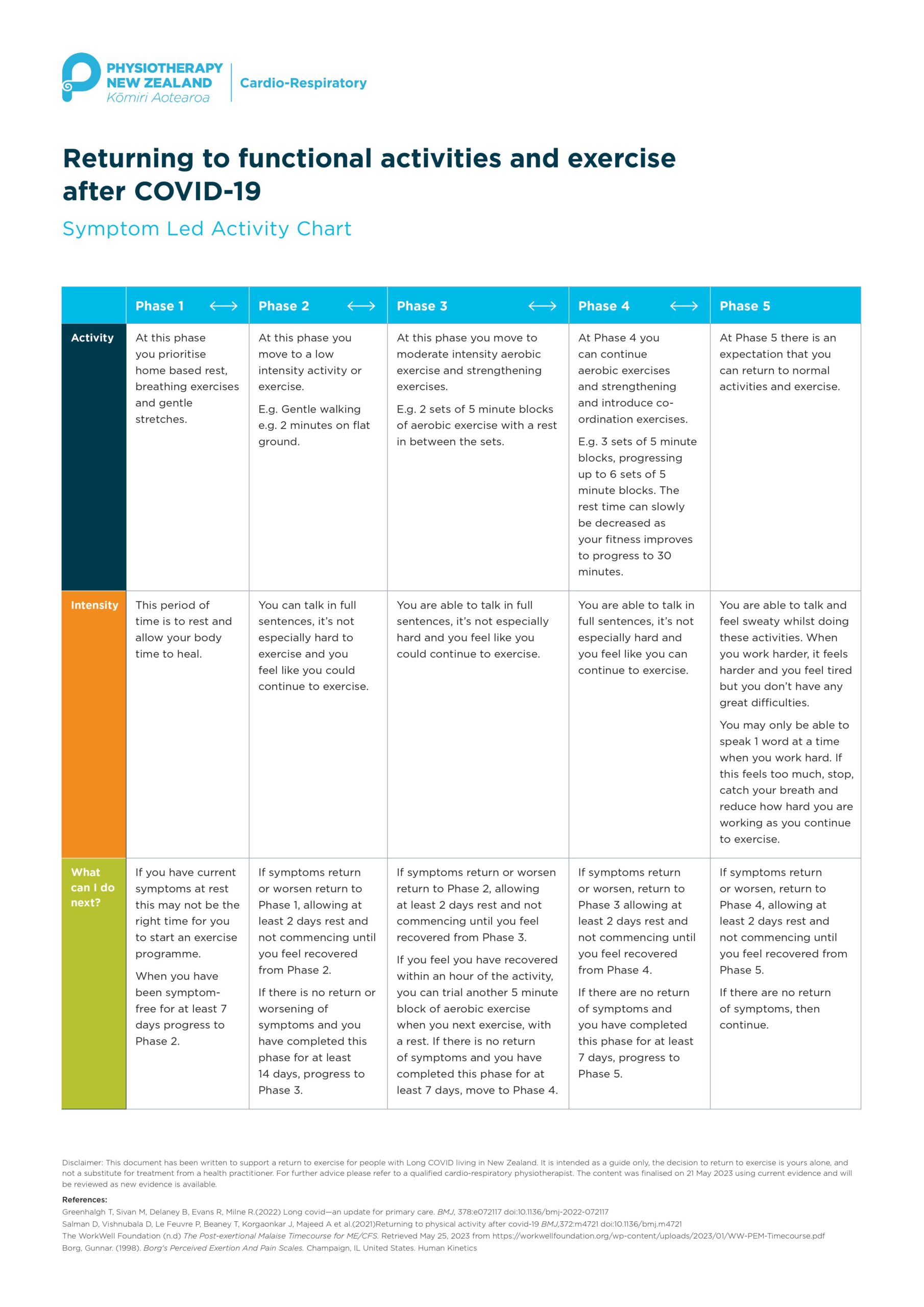
These theories led to designated treatments like Cognitive Behavioral Therapy (CBT) and Graded Exercise Therapy (GET), which have since been shown to cause harm to many patients, as evidenced in the recent report Treat ME (July 2025) by the Open Medicine Foundation of responses from 4000 ME/CFS patients1.

This article, written by ANZMES, the leading National Advisory on ME/CFS, offers the guidance and tools you need to critically evaluate health information, empowering you to make informed decisions based on evidence, NOT headlines.

1 TREATME: the Open Medicine Foundation’s Mammoth ME/CFS and Long COVID Treatment Survey Results – Health Rising

🔑Understanding the Language of Research

Before we can analyse a study, we need to understand the basic principles that underpin quality research. These terms are crucial for gauging the trustworthiness of a study’s findings.

Key Terms:

  • Validity: This refers to the accuracy of a study’s findings. Does it actually measure what it claims to be measuring? For example, a study claiming a therapy, treatment, or drug improves “quality of life” must use methods that genuinely capture that complex concept, rather than just measuring something simpler, like the ability to walk a certain distance. A study that lacks validity produces misleading results. 
  • Reliability: This is about consistency. If the same study were repeated, would it produce similar results? A reliable study uses methods that are consistent and repeatable, ensuring the findings are not just a one-off fluke.
  • Generalisability: This is the extent to which the findings of a study can be applied to a wider population. For example, a study on long COVID only includes participants under 30, its findings may not be generalisable to the entire long COVID population, which includes all ages. A critical factor for generalisability is the Central Limit Theorem (CLT). As a general rule in statistics, a sample size of more than 30 is often considered sufficient to assume that the sampling distribution is approximately normal, allowing for the generalisation of findings to the broader population. Conversely, sample sizes smaller than 30 are typically not considered robustly generalisable based on this principle.
  • Replication: The act of re-conducting an entire study, often by different researchers, to see if the original findings can be reproduced. Although single studies can seem promising, replication is pivotal to strengthen the hypothesis. If a study can’t be replicated when the same methodology is used, it may indicate that the original study was flawed in some way.  However, when results from studies using different scientific methods support each other, this strengthens the evidence base, increasing validity, generalisability and the potential for funding. 
  • A Bonferroni correction is a way of making the test for significance much stricter to account for the large number of tests being performed. If you run hundreds of statistical tests, your chance of getting a “significant” result by a random fluke is very high. This correction raises the bar for what counts as a discovery, helping to ensure that a finding is truly meaningful and not just a random statistical blip. Studies that test many hypotheses without these corrections may report false positives. 

❓Questions to Ask of Any Study

Critical analysis isn’t about simply criticising; it’s about conducting a deep, systematic evaluation. Use this checklist to scrutinise the research you encounter.

1. Scrutinise the Source and Motive

Every study is influenced by a reason and a source of funding. It’s crucial to determine any potential motives and biases.

  • Who conducted the study and who funded it? Look at the authors’ qualifications and professional affiliations. Are they recognised experts in the field? More importantly, was the study funded by an organisation that stands to profit from a particular outcome? It’s important to distinguish the type of funder. Unlike commercial entities that may profit from a certain finding, patient advocacy organisations (like ANZMES) fund research with the primary motive of patient welfare, not profit. Most importantly, these grants mandate researcher independence, meaning the funder has no influence over the study’s results or publication. Whereas, some individuals may publish studies on a technique that they have commercial interest in – creating not only a conflict of interest, but raising questions about their motives and therefore the conclusions drawn in the study.
  • What was the underlying reason for the research? Is the study attempting to answer a genuine scientific question, or could its primary purpose be to generate income, lobby for a specific viewpoint, or persuade a group towards a certain belief system? We need to determine the motive and bias that may be present in the research undertaken. It is concerning when flawed studies are shared amongst healthcare circles via their platforms which can mislead professionals into recommending a therapy to patients without knowing the full risks.

2. Examine the Methodology

The quality of a study is fundamentally tied to how it was conducted. Some research may not benefit from a rigid, “one-size-fits-all” process. A truly evidence-based approach relies on a collective set of scientific principles, not just a “box-ticking” exercise. This requires flexibility and creativity, especially when the patient and their unique experience are central to the research. 

  • How was the data collected? Was it through objective, science-based measurements, or subjective methods like self-completed questionnaires and interviews? In complex conditions like ME/CFS, self-reported data is essential to capture the lived experience of core symptoms like pain, fatigue, and cognitive dysfunction. However, robust research strengthens this subjective data by using validated and standardised questionnaires, like the SF-36 (a 36-question health survey that doctors and researchers use to get a snapshot of your overall well-being and quality of life) or the more specific ME/CFS Fatigue Types Questionnaire. These tools are specifically designed to be reliable and consistent, and a high-quality study will often cross-reference patient reports with objective markers where possible to ensure the findings are valid.

For understanding complex conditions like ME/CFS, a precision medicine approach is essential, as it moves beyond a one-size-fits-all model. The “deep dive” approach, exemplified by cases like the JenX recovery story after 18 years of severe ME/CFS, offers invaluable insights by focusing intensely on an individual’s condition, history, and experiences2. These “deep-dive” studies on small, carefully selected patient groups can reveal significant findings in specific subgroups that might be overlooked in large-scale research. By focusing on individual patient nuances rather than broad generalisations, this method allows for a more personal and profound understanding of the illness’s complexities, which is often lost when dealing with large, one-dimensional datasets, often seen in fields like cancer studies.

  • Who were the participants? How large was the sample size? Were they selected in a way that represents a good cross-section of the group being studied? It is important to distinguish this from some vital ME/CFS research that intentionally uses a small sample size for a highly-individualised ‘deep dive’. Given the complexity of ME/CFS, these studies are often necessary to explore specific mechanisms, like unique biomarker profiles etc. The key feature of high-quality research in this area is that the authors will explicitly state the study’s limitations eg. weaknesses, constraints, or boundaries of a study. For example, the findings may only apply to a specific patient subtype—and will not generalise them to the entire ME/CFS population. The danger arises when these detailed but narrow findings are overstated or used to promote a universal treatment or cause.
  • Was the response rate sufficient? It is vital to know how many people started a study versus how many completed it. If a study begins with 20 participants but only reports on the 12 who finished, it has a 40% drop-out rate. This is a significant flaw that can create a falsely positive picture.
  • Was there a control group? Without a control group for comparison, it’s impossible to know if an intervention caused the outcome or if participants would have improved anyway. For example, if noted a participants’ illness duration was less than a year, it’s possible these participants could have already been on a recovery pathway. It’s also important to include a group of participants with a longer duration of illness otherwise this weakens any causal conclusions.

2 From Severe ME/CFS to Healed: Jen’s Remarkable Rinvoq ME/CFS Recovery Story – Health Rising

3. Evaluate the Data and Conclusions

The final step is to check if the claims stand up to scrutiny.

  • Does the data back up the claims? Read past the headline and abstract. Do the results presented in the study actually support the strong conclusions being made, or are the findings overstated? To do this, look for a few key statistical concepts:

Understanding the p-value and Statistical Significance: 

  • One of the trickiest but most important numbers in a research paper is the p-value. It refers to the significance of the results, representing the probability or the confidence we can have in the hypotheses. Its job is to help us decide if a finding is a genuine effect or just a random fluke. 
  • The easiest way to understand it is to think of a courtroom trial. For example, in a trial, the starting assumption is that the defendant is “innocent until proven guilty.” In research, the starting assumption is called the null hypothesis—it assumes the treatment or intervention has no effect. The prosecutor then presents evidence to challenge the defendant’s innocence. The p-value is like a statistical summary of that evidence. 
  • A small p-value means the evidence is very surprising and unlikely to have occurred by chance. In science, a p-value greater than 0.05 means we accept the null hypothesis (no effect) and below 0.05 means we can reject the null hypothesis. Because this is so unlikely, researchers reject the “no effect” assumption and declare the finding statistically significant.
  • Statistical significance helps assess whether the results of a study are likely genuine rather than caused by random chance. When a result is deemed statistically significant, it suggests there’s a high probability that the observed effect is due to the treatment. Researchers usually establish a significance threshold in advance—commonly a p-value of 0.05—to determine the level of evidence required to consider the result valid.
  • Was the research peer-reviewed? Reputable scientific research is published in journals that use a peer-review process. This means independent experts in the subject area have evaluated the study for quality and validity before it was published, acting as a critical filter.

However, the peer-review process is not infallible and can be subject to human error or reviewer bias. Therefore, even after a study is published in a reputable journal, it is wise to be discerning. Look for post-publication commentary, such as “rapid responses” in the ‘Responses’ tab of the article where other experts and groups may critique or strongly argue the study’s methods, findings, or conclusions. 

  • Have they referenced other reputable sources? Good research acknowledges the existing body of knowledge. Be wary of studies that ignore or dismiss contradictory evidence, especially major clinical guidelines from bodies like the National Institute for Health and Care Excellence (NICE), Mayo Clinical Proceedings, and Centre for Disease Control and Prevention (CDC). For example, some researchers may dismiss established guidelines in favour of a single “high-quality” trial. What these researchers may not mention is that such a trial was later found to have many inaccuracies, prompting a correction and clarification. Some ME/CFS ‘treatments’ like Graded Exercise Therapy (GET) have a controversial background, with major clinical guidelines specifically advising against them in response to poor research quality and ethical concerns.

Why is Replication So Important?

Often in ME/CFS research, we see new studies draw the same, or similar, conclusions to those that have been published previously. Replication is crucial for several key reasons below, contributing to the overall integrity and progression of scientific knowledge3.

  • Accumulation of knowledge: The results from one study alone are usually not enough to draw firm conclusions about an association. Researchers must gather evidence from several studies leading to the accumulation of knowledge over time to build an evidence base. Think of it like building a structure brick by brick – each study is a brick, and replication ensures the mortar is strong enough to support the entire wall of knowledge.
  • Replication using different methods: When results from studies using different scientific methods support each other, this strengthens the evidence for a particular association. This demonstrates that the finding isn’t an artifact of a specific method but a robust, verifiable observation.
  • Increased trustworthiness: As evidence grows in support of a particular hypothesis,  especially when the evidence is from different research groups, using different methods and different study populations, the more other researchers, health professionals, and the public come to trust the conclusions drawn.  

The more high-quality research there is suggesting that a particular system is involved in ME/CFS disease mechanisms (eg. immune system) the more likely it is that large funding bodies will invest in research into potential treatments in that area of the disease. A recent example of this is a study by a team of researchers at Cornell University which concluded that “immune dysregulation underlies ME/CFS pathology.” While this conclusion is not ‘new’ knowledge in itself as ME/CFS has been linked with the immune system for years, findings add to the evidence base which supports involvement of the immune system in ME/CFS disease mechanisms. 

It is also important to note, however, when evaluating research, it is crucial to recognise that replication doesn’t always guarantee validity. Sometimes, a flawed study protocol is meticulously followed by other researchers, leading to the repetition of a distorted or inaccurate conclusion. A key example is earlier research on long COVID, where poorly defined patient cohorts resulted in flawed findings that were then replicated in subsequent studies.

 3 www.meresearch.org.uk/why-replication-of-research-findings-is-important/

Ethics, Bias, and Integrity: Why Ethical Approval Matters

Rigorous research involving humans must undergo an ethical review. This process is designed to:

  • Protect Participants: It ensures that participants are not exposed to undue risk or harm and have given fully informed consent.
  • Ensure Scientific Integrity: It scrutinises the study design for scientific validity and rigour.
  • Limits Bias: It helps to ensure the research is conducted objectively.

Labelling a study as an “audit” can sometimes be a way to bypass this essential ethical oversight, allowing unreliable or lower-quality research to be published. For example, if 12 participants were surveyed but 20 were in the group, this means there was a 40% dropout rate. Ignoring the reasons behind dropout rates, ignores vital information that may show that the technique was not as promising as the audit may lead readers to believe. Missing 40% of the group is significant, diminishing any causal conclusions, especially if not all experiences were reported. 

Bias in Research

It is crucial that medical education relies on the latest research and adheres to the principles of evidence-based research, without personal bias or conflicts of interest. Bias can distort research findings, leading to incorrect conclusions. Here are common types to watch for:

  • Responder Bias (or Volunteer Bias): It’s important to consider those who volunteer for the study may be different from those who don’t. Responder bias is the tendency for people in a study to provide inaccurate answers, often unconsciously. This can happen for various reasons, such as trying to give the answers they think the researcher wants. As a result, this bias can distort the data, making the study’s conclusions an unreliable reflection of people’s true thoughts or behaviours. 
  • Selection Bias: This occurs when the participants are not chosen randomly. For example, a researcher might consciously or unconsciously select participants they believe will respond well to the treatment, creating a biased sample.
  • Confirmation Bias: This is the tendency for researchers to favour, interpret, and recall information that confirms their pre-existing beliefs or hypotheses. Naturally, we can seek and interpret information that confirms existing beliefs and ignore contrary evidence for example, only following news sources you agree with. This tendency can lead to researchers downplaying negative results or over-emphasising positive ones. When researchers, or those promoting specific interventions, only cite evidence that supports their existing viewpoint and disregard contradictory findings, it exemplifies confirmation bias in action, hindering a truly objective assessment of the evidence.  A good researcher should actively seek opposing viewpoints, and assign a ‘devil’s advocate’ before any decisions.
    • Another example, some studies have been criticised for ‘outcome swapping’ where the primary measure for success was changed partway through, for example from an objective measure like school or work attendance to a subjective self-report questionnaire. If a treatment/therapy overtly encourages participants to only report positive outcomes, this is likely to lead to confirmation bias. 
  • Multiple Testing Bias: In complex illnesses like ME/CFS and long COVID, researchers often test hundreds or thousands of different variables (e.g., biomarkers) at once. When so many tests are performed, it becomes statistically likely that some will appear “significant” purely by chance. To counteract this, researchers must use statistical corrections – for example, a Bonferroni correction (see key terms), to adjust their p-values.

Putting It All Together

🚩What Flawed Science Looks Like

Flawed science often shares common characteristics. Be sceptical when you see studies that:

  • Avoid ethical review by labelling themselves as an “audit.”
  • Have a high, unexplained drop-out rate.
  • Lack a control group, making it impossible to determine cause and effect.
  • Use small, non-representative samples but make broad generalisations.
  • Report “significant” findings from testing many variables without correcting for multiple comparisons.
  • Rely on vague or self-reported data without objective measurement.
  • Ignore or dismiss major clinical guidelines and high-quality contradictory evidence.

An audit based on a flawed study can be seriously misleading to healthcare clinicians. Patients with complex chronic illnesses deserve evidence-based healthcare, and professional bodies have a duty to safeguard people from the biased promotion of interventions or treatment approaches that are unproven and do not have a scientific basis. It is the responsibility of researchers to conduct high-quality, ethical studies and the duty of healthcare professionals to critically appraise the evidence before recommending treatments. A medication would be held to much more stringent safety standards. We must demand the same for all interventions.

👍What Good Research Looks Like

In contrast, high-quality science is built on a foundation of rigour, transparency, and respect for evidence. Good research, particularly in ME/CFS, typically:

  • Is Ethical and Transparent: It undergoes a formal ethical review, is transparent about its funding sources, and clearly reports and explains participant drop-out rates.
  • Uses Precise Definitions: This is especially critical in ME/CFS research. Good science uses specific diagnostic criteria that require the hallmark symptom of Post-Exertional Malaise (PEM) to ensure they are studying a consistent patient group. This stands in contrast to the historical use of flawed criteria like the 1994 Fukuda definition, which did not require PEM and allowed for the inclusion of patients with different forms of chronic fatigue. This methodological flaw fueled the conflict between the biomedical and psychosocial models of the illness; by creating mixed study groups where biological signals were diluted, it created an opening for psychological theories to take hold. The correct criteria for ME/CFS Research should be in accordance with Canadian Consensus Criteria (CCC).

*If recruiting through medical clinics, Institute of Medicine (IOM) Criteria 2015 or International Consensus Criteria (ICC)  is used by clinicians for diagnosis. 

  • Is Methodologically Robust and Acknowledges Limits: It employs appropriate control groups, uses sample sizes large enough to produce statistically meaningful results, or studies individual patients in depth according to the principles of Precision medicine, and applies necessary statistical corrections when testing multiple variables. When navigating the body of ME/CFS research, you will often see studies with small sample sizes due to being highly individualised. Good science acknowledges these limitations explicitly and avoids making broad generalisations about findings beyond what the data support, particularly in smaller or exploratory studies like some ME/CFS research.

It’s important to consider, specifically for ME/CFS research, a strong argument can be made that while large cohort studies are valuable, they should not overshadow the profound insights gained from longitudinal studies on individual patients or small, carefully selected groups. These studies are crucial for uncovering significant, reproducible changes and can yield consistent conclusions when different technologies are applied, providing a deeper understanding of the illness.

  • Integrates Objective Data:  While valuing patient-reported symptoms, strong research seeks to validate these experiences with objective, measurable biological data whenever possible. Given the importance of patient experience, you will see a heavy reliance on self-reported data in ME/CFS research. Good science strengthens this by using validated and standardised questionnaires to ensure the data is reliable and consistent.
  • Avoids Confirmation Bias: Good research actively seeks out and considers all relevant evidence, including findings that may contradict initial hypotheses, rather than selectively citing only supporting information.

Summary

Some research can fail to meet scientific standards, misrepresent a therapy’s risks, and reinforce all the criticisms of previous weak studies. While non-harmful elements of a programme may deserve a place in treatment (and are often already widely available, in free or low-cost formats) and some participants do improve (although it’s unclear if they recover), the overall approach must be scrutinised. By asking the right questions and demanding robust evidence, we can all contribute to a healthcare landscape built on a foundation of ethical and trustworthy science.

🧰Your Critical Thinking Toolkit

As a take-home, exercise your critical thinking skills by asking these questions next time you read or discuss new information:

  • Who stands to benefit from this information? Who is most directly affected, and who would be the best person to consult for an alternative perspective?
  • What are the strengths and weaknesses of the study’s claims? Is there a counter-argument to the conclusions presented?
  • Where would we see this in the real world? Are there similar concepts or situations that either support or contradict these findings?
  • When is this information acceptable or unacceptable? What is the best time to take action based on this research?
  • Why is this relevant to you, and what is the underlying challenge or problem this research aims to address? Is there a need for this information today?
  • How is this similar to or different from other information you’ve encountered? How does this information affect you or others, and how can you approach it safely?

The core message is this: shared decision-making is not just a best practice, it is a critical component of effective and ethical care, particularly for patients with complex, chronic conditions like ME/CFS. Patients who are well-informed and actively involved in their treatment have better outcomes and are more likely to adhere to their management plan. This is especially true for those with ME/CFS, a condition that has been historically misunderstood. By empowering patients (and their carers, when the illness is severe) with robust, evidence-based information, you are enabling them to become partners in their care. This collaborative approach, where the patient retains personal control over their health decisions, is essential for building trust and ensuring the management plan respects their unique needs and lived experience.


Press Release: Prescription & Dispensing Rule Changes | Medicines Control Group

Date – 2nd October 2025

The Associated New Zealand Myalgic Encephalomyelitis Society (ANZMES) has lodged a formal submission with Medicines Control, calling for an urgent review of medication dispensing regulations that are causing significant harm to New Zealanders with chronic illnesses. This action follows a complaint from a community member to one of our ME/CFS organisations that was escalated to Medicines Control by the Health and Disability Commissioner’s office. As the National Advisory it is ANZMES’s responsibility to highlight the public interest in the issue.


The submission, written on behalf of the ME/CFS, Long COVID, and wider chronic illness communities, details how the current “one-size-fits-all” system creates severe financial, logistical, and health burdens for the country’s most vulnerable patients. It highlights the direct clash between rigid, frequent dispensing requirements and the medical realities of living with energy-limiting conditions that leave many housebound and/or bedbound. The member who submitted the original complaint to the Health and Disability Commissioner stated “I am disabled and cannot always drive. Not all of us can simply jump in a car to collect our medication.” This emphasises the lived experience of many with ME/CFS and other chronic conditions.


Under current regulations, many controlled drugs essential for managing complex symptoms have a maximum one-month prescription length, with dispensing often fragmented further into weekly lots. This forces patients who were previously stable on three-month prescriptions to now secure a new script every 30 days, tripling their costs and putting their health at serious risk for pharmacy trips.


The submission includes powerful patient testimonies, with one member stating they were refused essential medication one day early, leaving them without it for three days. Many patients, especially those with mobility issues, rely on caregivers or support workers to pick up essential medication who are not available for weekly or monthly pick-ups.


ANZMES is calling for a review of dispensing frequency and prescription length, fees and a patient-centred system that allows for flexible dispensing and clear exceptions for those in severe categories.


“This is not a request for special treatment – we are urging for equitable access to essential healthcare for some of New Zealand’s most vulnerable citizens” states Fiona Charlton, AZNMES President. “We have officially put this case to Medicines Control and await a response that prioritises the well-being of all New Zealanders.”

ANZMES Statement on Sharing Improvement and Recovery Stories

8th September 2025 – Clarification Regarding the ANZMES Statement Released on 20 August 2025

We want to acknowledge the concerns raised in response to our recent statement. It was never our intention to cause confusion or distress, and it is regretful that some members of the community interpreted the statement as an endorsement of specific techniques or providers, including the Lightning Process or therapies based on it. We want to be clear: ANZMES does not endorse the Lightning Process, any therapies based on it, or any non-evidence-based intervention.

All members of the ANZMES Executive Committee are directly impacted by ME/CFS—either personally, through loved ones, or professionally. We care deeply about the ME/CFS and Long COVID communities. We walk alongside you in these challenges, and our advocacy is rooted in lived experience, compassion, and a commitment to scientific integrity.

As the National Advisory on ME/CFS, ANZMES remains committed to:

  • Upholding international best practices, including the NICE 2021 guidelines
  • Providing evidence-based education and resources
  • Supporting all members of our community, regardless of the paths they’ve explored

Why the Statement Was Made

The original statement was created in response to reports that a provider and some community members had received defamatory, abusive, and threatening messages. This behaviour is unacceptable and could lead to the sender facing police or legal action. We want to reiterate:

  1. ANZMES does not condone abuse, threats, or harassment—towards anyone, inside or outside the ME/CFS and Long COVID communities 
  2. Mentioning a provider does not imply endorsement or alignment.
  3. We do not endorse the Lightning Process, any therapies based on it, nor any technique that lacks a robust evidence base.
  4. We support the sharing of all experiences—including recovery, improvement, harm, and decline—as part of a balanced and inclusive narrative.
  5. We are committed to supporting all members of our community, regardless of the techniques they’ve tried or the outcomes they’ve experienced.
  6. We remain committed to correcting past misinformation and protecting the reputation of our communities as reputable sources of our own experience, research, and knowledge.

Our Position on Improvement or Recovery Stories

We recognise that commonly agreed upon international statistics, report a small percentage of people (~5%) show genuine improvement or recovery but from no single identifiable intervention. 

However, these stories (alongside accounts of worsening or decline, or no change) when shared respectfully and transparently, can provide a balanced perspective that may contribute to a broader understanding of ME/CFS and Long COVID. However, ANZMES is not making recommendations in favour of any specific treatment, technique, or provider.

We encourage individuals to:

  • Do their own research
  • Consult ME-aware health professionals
  • Make informed decisions based on international best practice

We will continue to share robust evidence-based up-to-date information on best practice guidelines and support all members of our community—regardless of the choices they make or the outcomes they experience. 


21st August 2025 – Statement:

ANZMES supports our members and community in sharing both their stories of improvement and recovery or the harmful effects, regardless of the type of treatment or approach that has helped or not helped them. We believe people should be able to share these experiences openly and without fear of retaliation or rejection.

As an organisation ANZMES recognises and follows the NICE October 2021 guidelines and does not rely on any methods that are not evidence-based. Whilst we do not make broad recommendations, we do however, respect the right of our members and community to seek out their own treatments and to share their personal stories.

We welcome hearing about improvement and recovery experiences. We do not support and we condemn any bullying, negative commentary, doxxing, spamming, or abuse directed towards individuals who choose to pursue these techniques, or towards the providers offering them.

We ask that respect be extended to those who have experienced recovery. Their journey is personal and valid, and their story deserves to be heard without judgment. At the same time, we encourage individuals sharing recovery experiences to do so with sensitivity, acknowledging that ME/CFS affects people in diverse and complex ways.

Choosing not to pursue a particular treatment or approach does not reflect a lack of desire to recover—it simply represents a personal decision based on individual circumstances, health status, lived experience, and the valuing of evidence-based methods and international standards. 

We strongly reject gaslighting or dismissive comments such as “they must not have been sick” or “they must not have had ME/CFS” in response to someone’s recovery. These statements are harmful and ignore the heterogeneity of the condition. It is important to remember that ME/CFS includes multiple subgroups, and while a small percentage of individuals may recover to near pre-illness levels, many more do not, despite trying numerous interventions. We celebrate improvements where they occur, while holding space for those whose journey continues with ongoing challenges.

We also welcome feedback and experiences where the outcomes of any techniques or treatments produce a worsening of functional capacity. This is to ensure a scientific approach, where all experiences, regardless of outcome, are received, to produce a well-rounded understanding of subjective outcomes.

ANZMES also wishes to clarify that, in the past, we published that Mel Abbott is a Lightning Process practitioner. This is no longer the case. The Switch, run by Mel Abbott, through her private business: Empower Therapies, is not affiliated with the Lightning Process, according to Mel Abbott. While the provider considers The Switch to be distinct, ANZMES maintains its position: we do not recommend any technique that is not evidence-based, and we adhere strictly to the NICE 2021 guidelines.

By sharing this statement, we aim to protect our community’s right to speak openly about their personal journeys, uphold respect across all discussions, and ensure that misinformation is corrected.

ANZMES is NOT endorsing any technique or treatment, but rather, is making it clear that we do not condone bullying, harassment, or threats.

ANZMES Executive Committee.

ANZMES Announces Third Year of Grant and Scholarship Programme to Propel ME/CFS and Long COVID Research in 2025

Photo Credit: Pixabay/user_id:143740 – jarmoluk-laboratory-2815641_1280.

FOR IMMEDIATE RELEASE

ANZMES, Aotearoa’s National Advisory on Myalgic Encephalomyelitis/Chronic Fatigue Syndrome (ME/CFS), is proud to announce the launch of its 2025 Grant and Scholarship Programme for postgraduate students and academic researchers. The programme is aimed at supporting students who are interested in researching ME/CFS and long COVID. Marking the third consecutive year of this vital initiative, the programme continues its dedicated support for groundbreaking research into ME/CFS and the overlapping challenges of Long COVID within New Zealand.  

ME/CFS is a debilitating chronic condition involving overwhelming ongoing fatigue. Although millions of people suffer with the illness worldwide there is remarkably little research or funding available. 

ANZMES urges postgraduate students and academic researchers across Aotearoa to consider applying for the 2025 Grant and Scholarship Programme.

Fiona Charlton, ANZMES President, states, “As we enter the third year of our Programme, we are incredibly encouraged by the calibre of research from our previous recipients. The funding we are offering can provide crucial support for innovative projects, helping to pay for fees, study, living, or laboratory expenses, and ultimately improving the lives of those affected by these conditions.”

The 2024 recipients included:

  • Associate Professor Mona Jeffreys and Kahurangi Dey from Victoria University of Wellington, who were awarded a $25,000 grant for their project, “Exploring the Prevalence and Determinants of Food Insecurity in People with ME/CFS and/or Long COVID.” Their work also aims to contribute to an ME/CFS Registry in New Zealand.  
  • Melissa Blanc from Auckland University of Technology, received a $5,000 scholarship for her systematic review titled, “Exercise in ME/CFS Patients: Helpful or Harmful?” This research addresses the ongoing debate surrounding exercise recommendations for ME/CFS patients.  
  • Beth Hobbs from Victoria University of Wellington, was awarded a $5,000 scholarship for her project, “Psychological Support for ME/CFS Patients in Canterbury,” focusing on improving patient outcomes, particularly for those who are housebound.  

The impact of this programme extends beyond a single funding cycle. Illustrating the progression of research fostered by ANZMES, Dr. Nicholas Bowden of the University of Otago, a 2023 grant recipient, has recently had his significant study on the experiences of individuals with ME/CFS in New Zealand submitted for peer review to BMC Public Health. This demonstrates the tangible contributions ANZMES-funded research is making to the broader scientific discourse. Read more here: Study provides data on life with ME | Otago Daily Times Online News

For the 2025 funding round, ANZMES is pleased to offer substantial support for researchers dedicated to advancing our understanding of ME/CFS and its intersection with Long COVID. The programme includes:  

Two grants are being offered for postgraduate studies or academic research in either the Faculty of Science, Faculty of Medical and Health Sciences, Faculty of Public Health, or Faculty of Sport and Exercise Science to contribute towards the costs of laboratory analysis or for a research project on ME/CFS or ME/CFS and long COVID. Up to $25,000 per Grant may be awarded.

Four scholarship awards (up to a value of $5,000 each) will be offered to students to contribute towards the expenses of studying for a postgraduate degree in the Faculty of Health Sciences, Public Health or Humanities/Social Sciences for a student who can demonstrate financial project cost requirements or study expenses and who are conducting study/research on ME/CFS or ME/CFS and Long COVID.

Our funding programme is made possible by the support of our members.

Applicants will be selected by ANZMES on the recommendation of their Scholarships Committee.

Applications for 2025 opened 31 May and close on 31 July 2025.

Further information and application forms are available at:

Doctors Called to Advocate for Change: Ending Benefit Cuts for Hospitalised Patients and Addressing Systemic Care Gaps

[Image: Phyllis Poon on Unsplash]

The Aotearoa New Zealand Myalgic Encephalomyelitis Society (ANZMES) has released a call to action urging healthcare providers to advocate for equitable policies and compassionate care for patients living with chronic illnesses such as Myalgic Encephalomyelitis (ME/CFS), Long COVID, and other complex conditions.

The NZ Doctor Rata Aotearoa published the opinion piece by ANZMES president, Fiona Charlton, on Tuesday 29th April 2025, with content available exclusively to subscribers.

A poignant example of the challenges faced by vulnerable patients is the case of Rhiannon Purves, who has ME/CFS and dysautonomia. During a prolonged hospital stay, she was subjected to New Zealand’s hospital benefit reduction policy, which drastically reduced her weekly benefit to $56.58, leaving her unable to afford critical living expenses.  

“This policy imposes severe financial and emotional hardships on hospitalised individuals, often compounding their medical challenges,” says Fiona Charlton, President of ANZMES. “Doctors have an essential role in advocating for their patients by championing policy change, assisting with bureaucratic processes, and addressing systemic inequities.”

The pressing need for action extends beyond policy reform. Patients with ME/CFS and Long COVID frequently encounter systemic care gaps, including misdiagnoses and outdated treatment protocols that worsen their conditions. ANZMES highlights practical steps for healthcare providers, including: 

– Writing detailed advocacy reports to ensure patients receive necessary care and support.  

– Participating in Continuing Medical Education (CME) training on ME/CFS, available through ANZMES’s Know M.E. Series and My Health Hub.  

– Supporting initiatives like ANZMES’s petition to abolish benefit cuts after 13 weeks of hospitalisation.  

“Doctors are not only caregivers but also key advocates for systemic change,” says Charlton. “By supporting vulnerable patients, healthcare providers can drive policies that prioritize fairness, inclusivity, and improved care outcomes.”  

ANZMES invites healthcare professionals and the broader community to join their efforts by signing the petition on Action Station and engaging with educational resources to better understand ME/CFS and Long COVID.  

Together, we can reimagine a healthcare system where no patient is left behind.  

ANZMES submits to the Royal Commission

The New Zealand Royal Commission has opened an inquiry into the COVID-19 pandemic, seeking to gather information from New Zealanders (individuals and organisations) for their “COVID-19 Lessons Learned” Inquiry to ensure that Aotearoa/New Zealand is as prepared as possible for future pandemics.

royal commission lessons learned blue writing logo

Through an online form, which closes 24th March 2024, people can have their say in English, Te Reo Māori, NZ Sign Language, Chinese, Tongan, Samoan, and Hindi: https://haveyoursay.covid19lessons.royalcommission.nz/

The two questions are:

Question 1: Looking back – what would you like the Inquiry to know about your experiences of the pandemic? 

Question 2: Moving forward – what lessons should we learn from your experiences so we can be as prepared as possible for a future pandemic?

ANZMES has made a submission in consultation with the Aotearoa/NZ ME/CFS organisations as follows:

As the National Advisory on Myalgic Encephalomyelitis/ Chronic Fatigue Syndrome (ME/CFS), we appreciate the opportunity to provide feedback for the inquiry into the pandemic response, from the perspective of people living with ME/CFS. ANZMES and the regional Aotearoa/New Zealand ME/CFS organisations have been at the forefront of supporting individuals with both ME/CFS and long COVID and advocating for their rights and needs, especially during public health crises, such as the recent pandemic. We provide the following feedback and experiences at the request of our members and the regional organisations.

Question 1: Looking back – what would you like the Inquiry to know about your experiences of the pandemic?

ME/CFS is a debilitating chronic illness characterised by post-exertional malaise (an exacerbation of symptoms after minimal exertion), and a range of other symptoms that significantly impact daily functioning, such as pain, cognitive impairment, and orthostatic intolerance (blood pressure and volume dysregulation). There has been a significant increase in cases of ME with a shift to COVID-19 being the main trigger. There are estimated to be 65 million cases of long COVID worldwide and at least half of these meet the criteria for an ME/CFS diagnosis.1 ME/CFS and long COVID are both post-viral illnesses that benefit from a similar approach to support and management. The National Institute for Health and Care Excellence (NICE) in the United Kingdom acknowledges that the physical symptoms of ME/CFS can be as disabling as those in multiple sclerosis, systemic lupus erythematosus, rheumatoid arthritis, congestive heart failure and other chronic conditions.2 Other research shows that people with ME/CFS score lower overall on health-related quality of life tests than most other chronic conditions. Throughout the pandemic, individuals with ME/CFS have faced unique challenges and vulnerabilities that have often been overlooked in the broader public health response. We highlight the following key areas of concern:

  • Lack of nuanced response for prevention and protection: One of the key shortcomings in the pandemic response was a lack of nuanced approach to prevention and protection for individuals with ME/CFS, with a failure to recognise their specific vulnerabilities. This includes the increased potential for severe exacerbation of symptoms following vaccination, due to immune system dysregulation,3 as well as increased risk of post-viral complications. Emerging studies, including patient-led surveys, suggest people with ME/CFS have a higher risk of worsened ME/CFS if infected with COVID-19. For example, an ME Action survey of patients suggested: more than three quarters (76%) of respondents reported that COVID-19 made their ME/CFS symptoms worse. Over two-thirds of respondents said the worsening in symptoms had lasted more than 6 months.4
  • Adverse reactions – Despite being given adverse reaction data in November 2020, the Ministry of Health did not act to protect the vulnerable ME/CFS population from subsequent adverse reactions by allowing exemptions to further vaccination without penalty, and by continuing to advise and encourage clinicians to continue to advocate for continual vaccinations despite the harm benign caused at high frequency.
  • A belated lowered vaccine dose was offered after most individuals had taken the original dosage multiple times.
  • The process of reporting adverse effects (CARM) was overly complicated for ill people, and had to be processed through a GP, when GPs were over-run with COVID-19 cases and not seeing patients. Many did not officially report their adverse effects as a result.
  • Consequences of vaccine mandates in people with ME/CFS: A 2021 ANZMES survey of 395 people with an ME/CFS diagnosis highlights the impact of mandates, due to vaccine effect, on the state of ME/CFS illness/wellness, with 60% of respondents experiencing a level of deterioration in their health, with 3.1% experiencing a severe relapse, and a significant number experiencing reduced capacity to work and increased care requirements. People with ME/CFS also raised concerns over difficulties reporting adverse reactions due to the inability to get appointments with their GP and complex Centre for Adverse Reactions Monitoring (CARM) forms that were inaccessible due to neurological symptoms, such as brain fog, experienced by people with ME/CFS. It is also important to note that a small number of individuals with ME/CFS report an improvement in their chronic condition after vaccination, which experts propose is also related to the dysregulated immune system. 
  • Lack of funding for long COVID support: Many people developed long COVID, however no extra funding was allocated for their care. The regional ME/CFS organisations were unable to access government funding to ensure that there was clinical, mental, and social wellbeing support for people developing long-term post-viral illness. Long COVID has put a strain on existing support services, due to a lack of suitable services available, forcing them to seek help from ME/CFS charities, such as ANZMES and regional support organisations [Complex Chronic Illness Support, ME/CFS Canterbury, ME Support NZ, MEISS Otago & Southland, and Rest Assured Charitable Trust]. Over 20% of Complex Chronic Illness Support referrals are for long COVID – with no dedicated funding to support this increase in demand for support services. People with long COVID and ME/CFS need increased recognition of the disabling nature of their conditions and increased support and this perspective is shared by international public health experts.5
  • Lack of consultation: ME/CFS organisations and experts were not invited to join the Expert Advisory Group for long COVID despite being the key source of support for people with long COVID due to decades of experience managing post-viral illness. ANZMES put forward names of expert clinicians and researchers and made considerable effort to make contact with decision-makers to no avail. At the time the public opinion was that this was a “new phenomenon” despite our organisations best efforts to advise otherwise. ANZMES was the first ME/CFS organisation in the world, founded in 1980. CCI Support was formed by ANZMES representatives the following year. ME/CFS Canterbury was formed in 1985. All these organisations have been dealing with diagnosis, treatment, and management of post-viral illness from the beginning.
  • Lack of clear communication about post-viral complications: Because of lack of consultation with experts in the field as mentioned above, there were no timely public health messages about the risk of developing long COVID or ME/CFS nor the need to rest to aid recovery and prevent complications. Brief belated guidance about resting was produced but missed the seriousness of what would happen if people ignored this guidance.
  • Health protections: Early health protections were beneficial to vulnerable individuals, these include; closing the borders to the Delta strain of the virus, isolation and travel restrictions, increased flexibility of services and workplaces (home delivery, work from home options), mask advice. However, removing the mask mandates and reducing infection isolation times were poor decisions that increased the spread of the virus. Global research shows that despite high vaccination rates reinfection continues to pose a significant threat of post-viral complications with implications for long-term socioeconomic burden.6 7
  • Protections have been removed but the pandemic is not over: The threat to public health, in NZ, is clearly ongoing with 5575 cases reported in the last week and 21 deaths attributed to the virus (as at 11/03/2024).8 78% more sick leave was taken in 2022 (than 2020) and wait times for emergency patients were exceeded by 95% of DHBs, in 2022.9 People with ME/CFS and long COVID are more vulnerable to the COVID virus, with hospitalisation a likely outcome, as well as a worsening of their existing symptoms and functional capacity.  This has led to a greater number of people living with ME/CFS and long COVID in continued isolation, beyond original lockdowns, to protect themselves from an ongoing threat. This affects income, socialisation, mental health, and ability to carry out normal activities, such as grocery shopping or attending GP clinics. The removal of mask mandates acts as an additional barrier to healthcare access for vulnerable people with ME/CFS as there is an increased risk of infection with lack of certainty that staff will use high quality masks (N95/P2/FFP2) during consultations. 
  • The Aotearoa COVID Action group has developed an 11 point COVID plan10 that includes practical steps to improve protection against the virus that would be of benefit to people with ME/CFS, such as mask mandates in high risk facilities, clean indoor air policies, increasing access to treatment and patient-led long COVID services. We support and encourage the implementation of these strategies.

Question 2: Moving forward – what lessons should we learn from your experiences so we can be as prepared as possible for a future pandemic?

Individuals with ME/CFS are often marginalised and their needs inadequately addressed in public health planning. Research highlights a disparity between government funding and level of disease burden for ME/CFS, in comparison to other chronic illnesses.11 There is a pressing need for comprehensive planning around post-viral illness for a future pandemic. 

Post-viral illness is not new.

Research has shown that viral infections can trigger the onset of ME/CFS12 13 and it is likely that the current pandemic will lead to an increase in cases in the years to come. Post-viral illness is not a new condition and we need to look at the past to plan for the future. Previous pandemics, such as the Spanish flu of 1918, the UK Royal Free Hospital viral outbreak of 1955, Incline village/Lake Tahoe, Nevada, USA mystery virus, and the Tapanui flu in New Zealand in 1984,14 have left a lasting legacy beyond the immediate impact of the viral outbreak. Studies and historical records indicate a pattern of post-viral illness among survivors.15

It is essential that public health authorities develop strategies for early identification, diagnosis, and management of post-viral illness, including appropriate support and resources for individuals with ME/CFS. International best practice guidelines recommend early diagnosis and intervention with a multidisciplinary team of healthcare professionals in order to improve outcomes.16 17 18

If best practice guidelines are not followed appropriately there is great potential for harm because patients with post-viral illness who ignore or push through their symptoms can worsen their condition, often becoming bedridden.19

The World ME Alliance has issued a statement in response to the United Nations General Assembly, which adopted a Political Declaration on Pandemic Prevention, Preparedness and Response, calling for future pandemic planning to address infection-associated chronic conditions.20 Their statement highlights the urgency of the situation, according to recent research: “Globally, more than 65 million people are now living with long COVID, of whom 50% meet the criteria for a diagnosis of ME/CFS.”21

In New Zealand this is estimated conservatively to be around 400,000 people who will experience long COVID.22

Improving post-infectious disease management now will enable better preparedness for future outbreak events. This includes ensuring that information released by the health authority on ME/CFS and long COVID follow best practice. ANZMES recently sent best practice guidelines to Te Whatu Ora/Health NZ, the medical associations, councils, and schools and believe this document needs to be adopted immediately. 

Funding for research and support services needs to be allocated by the government to address the demand occurring now. With these established practices and services in place and readily available in primary and secondary care, there will be no need to rush to set things up during the next outbreak, and new infections can be treated through the existing model. Appropriate tracking of prevalence and outcomes should be a routine part of this process.

We submit the following recommendations for consideration:

  • Inclusion of ME/CFS and long COVID as a priority population in public health planning and response efforts with tailored guidance and support for prevention and protection, with a focus on early intervention, education around the impact of ignoring best practice, and support for affected individuals.
  • Investment in research to better understand the relationship between viral infections, including COVID-19, and the onset of ME/CFS, as well as the development of effective treatments.
  • Investment in specific vaccine immune response research in people with ME/CFS and long COVID as a priority so that evidence-based advice can be provided. This would include using less reactogenic protein vaccines such as XBB Novavax over mRNA vaccines.
  • Make XBB Novavax or protein vaccines available for vulnerable populations such as ME/CFS and long COVID.
  • Ensure transparency around reported harms.
  • Increase access to funding and support for people with post-viral illness by reclassifying ME/CFS as a disability and removing eligibility barriers to financial aid.
  • ANZMES is utilised in an advisory capacity by all health and related agencies, and the best practice guidance is adopted by all.
  • Establishment of a post-viral or post-infectious centre of excellence, which includes:
    1. Medical arm to assess and triage patients via telehealth.
    2. Educational arm to provide the latest evidence-based information for health professionals, benefit assessors, insurers, employers, educational institutes.
    3. Support arm to assist with financial, employers, educational adaptations.
    4. Research arm to develop more effective management/treatment/cure that is prepared for immediate action, based on meaningful longitudinal studies – saving resources by avoiding unnecessary repetition of existing ME/CFS studies with long COVID cohorts.

ANZMES, as the National Advisory, already provides education, research funding and generation, and represents the national and global voice for people with ME (and supports those with long COVID and associated conditions) and is well positioned to take on the role of the Centre of Excellence with the appropriate infrastructure development through governmental funding and support.

By addressing the unique challenges and vulnerabilities faced by people with ME/CFS, we can ensure a more inclusive and effective public health response to future pandemics. We would welcome an opportunity to be involved in an advisory panel, to offer the wisdom and best practice requirements for this pandemic response and future viral outbreaks.

Who are ANZMES?

We are the National Advisory on ME in Aotearoa/New Zealand. With four decades of knowledge and experience, we are the trusted leaders in ME education, representation, and research. Our expertise comes from a reputable medical team of advisors, including a world renowned expert and MNZM recipient, a fellow of the Royal NZ College of General Practitioners (RNZCGP) and a network of academic researchers, clinicians, and representatives from the ME community. The executive committee comprises experts in their respective fields for governance, policy, leadership, representation, and education.

Always a trail-blazer, it was the first ME charity of its kind in the world, established in 1980, as ANZMES, to provide support, information dissemination, and representation, achieving past outcomes through dedication, passion, time, and knowledge of lived experience. Today, the organisation leads as a RNZCGP Continuing Medical Education (CME) Registered Provider, proud funder of vital research, and steward of the community voice.

We continue to disseminate evidence-based information nationally, and represent the ME voice globally as a founding member of the World ME Alliance through advocacy and leadership. ANZMES latest education programme – Know M.E. – is a video podcast and news series featuring up-to-date, evidence based research and information on ME and Post COVID Conditions.

References:

  1. Davis, H.E., McCorkell, L., Vogel, J.M. et al. Long COVID: major findings, mechanisms and recommendations. Nat Rev Microbiol 21, 133–146 (2023). https://doi.org/10.1038/s41579-022-00846-2
    ↩︎
  2. Hvidberg, et al (2015). The health related quality of life for patients with myalgic encephalomyelitis / chronic fatigue syndrome. https://journals.plos.org/plosone/article?id=10.1371/journal.pone.0132421
    ↩︎
  3. Walker, MOM, Peppercorn K, Kleffmann T, Edgar CD, Tate WP (2023) An understanding of the immune dysfunction in susceptible people who develop post viral fatigue syndromes Myalgic Encephalomyelitis/Chronic Fatigue Syndrome and Long COVID Medical Research Archives (accepted June 2nd). DOI:https://doi.org/10.18103/mra.v11i7.1.4083
    ↩︎
  4. ME Action. (2021). Report on the impact of Covid-19 on ME. https://www.meaction.net/2021/04/29/covid-19-has-worsened-our-me-report-survey-respondents/
    ↩︎
  5. Hereth B, Tubig P, Sorrels A, Muldoon A, Hills K, Evans N G et al. Long covid and disability: a brave new world BMJ 2022; 378 :e069868 doi:10.1136/bmj-2021-069868
    ↩︎
  6. Mulu Woldegiorgis, Gemma Cadby, Sera Ngeh, Rosemary Korda, Paul Armstrong, Jelena Maticevic, Paul Knight, Andrew Jardine, Lauren Bloomfield, Paul Effler. (2022).Long COVID in a highly vaccinated population infected during a SARS-CoV-2 Omicron wave – Australia. medRxiv 2023.08.06.23293706; doi: https://doi.org/10.1101/2023.08.06.23293706
    ↩︎
  7. K. Bach. (2022). New data shows long Covid is keeping as many as 4 million people out of work. https://www.brookings.edu/articles/new-data-shows-long-covid-is-keeping-as-many-as-4-million-people-out-of-work/
    ↩︎
  8. Health New Zealand/Te Whatu Ora. (2024). COVID-19 Current Cases. https://www.tewhatuora.govt.nz/our-health-system/data-and-statistics/covid-19-data/covid-19-current-cases/
    ↩︎
  9. Aotearoa Covid Action. (2024). https://covidaction.nz/en/
    ↩︎
  10. Aotearoa Covid Action. (2024). Aotearoa Covid Action’s 11-point Covid plan.
    https://covidaction.nz/en/noneofusaresafeuntilallofusaresafe-tenstepstocovidsafety
    ↩︎
  11.  Mirin, Arthur A., Dimmock, Mary E., and Jason, Leonard A. ‘Research Update: The Relation Between ME/CFS Disease Burden and Research Funding in the USA’. 1 Jan. 2020 : 277 – 282. ↩︎
  12. Tate WP, Walker MOM, Peppercorn K, Blair ALH, Edgar CD. Towards a Better Understanding of the Complexities of Myalgic Encephalomyelitis/Chronic Fatigue Syndrome and Long COVID. Int J Mol Sci. 2023 Mar 7;24(6):5124. doi: 10.3390/ijms24065124. PMID: 36982194; PMCID: PMC10048882.
    ↩︎
  13. Cameron B., Flamand L., Juwana H., Middeldorp J., Naing Z., Rawlinson W., Ablashi D., Lloyd A. Serological and virological investigation of the role of the herpesviruses EBV, CMV and HHV-6 in post-infective fatigue syndrome. J. Med. Virol. 2010;82:1684–1688. doi: 10.1002/jmv.21873.
    ↩︎
  14. Simpson LO. Myalgic encephalomyelitis. J R Soc Med. 1991 Oct;84(10):633. PMID: 1744860; PMCID: PMC1295578.
    ↩︎
  15.  George Dehner, Howard Phillips, In a Time of Plague: Memories of the ‘Spanish’ Flu Epidemic of 1918 in South Africa, Social History of Medicine, Volume 33, Issue 1, February 2020, Pages 343–344, https://doi.org/10.1093/shm/hkz093
    ↩︎
  16. National Institute for Health and Care Excellence(NICE). (2021). ‘Overview | Myalgic Encephalomyelitis (or Encephalopathy)/Chronic Fatigue Syndrome: Diagnosis and Management | Guidance | NICE’. NICE.
    https://www.nice.org.uk/guidance/ng206
    ↩︎
  17. Centers for Disease Control and Prevention. (2022). Information for Healthcare Providers. Understanding History of Case Definitions and Criteria. https://www.cdc.gov/me-cfs/healthcare-providers/case-definitions-criteria.html
    ↩︎
  18. Mayo Clinical Proceedings (2021). Consensus Recommendations for ME/CFS: Essentials of Diagnosis and Management https://www.mayoclinicproceedings.org/article/S0025-6196(21)00513-9/fulltext
    ↩︎
  19. Strassheim, Victoria; Newton, Julia L.; Collins, Tracy (February 5, 2021). “Experiences of Living with Severe Chronic Fatigue Syndrome/Myalgic Encephalomyelitis”. Healthcare. 9 (2): 168. doi:10.3390/healthcare9020168. ISSN 2227-9032. PMC 7914910. PMID 33562474.
    ↩︎
  20. World ME Alliance. 32 organizations call for future pandemic preparedness to address infection-associated chronic conditions. 2023. https://worldmealliance.org/2023/10/31-organizations-call-for-future-pandemic-preparedness-to-address-infection-associated-chronic-conditions/
    ↩︎
  21. Davis, H.E., McCorkell, L., Vogel, J.M. et al. Long COVID: major findings, mechanisms and recommendations. Nat Rev Microbiol 21, 133–146 (2023). https://doi.org/10.1038/s41579-022-00846-2
    ↩︎
  22. Russell L, Jeffreys M, Cumming J, Churchward M, Ashby W, Asiasiga L, Barnao E, Bell R, Cormack D, Crossan J, Evans H, Glossop D, Hickey H, Hutubessy R, Ingham T, Irurzun Lopez M, Jones B, Kamau L, Kokaua J, McDonald J, McFarland-Tautau M, McKenzie F, Noldan B, O’Loughlin C, Pahau I, Pledger M, Samu T, Smiler K, Tusani T, Uia T, Ulu J, Vaka S, Veukiso-Ulugia A, Wong C, Ellison Loschmann L (2022). Ngā Kawekawe o Mate Korona | Impacts of COVID-19 in Aotearoa. Wellington:Te Hikuwai Rangahau Hauora | Health Services Research Centre, Te Herenga Waka-Victoria University of Wellington.
    ↩︎
Malcare WordPress Security